
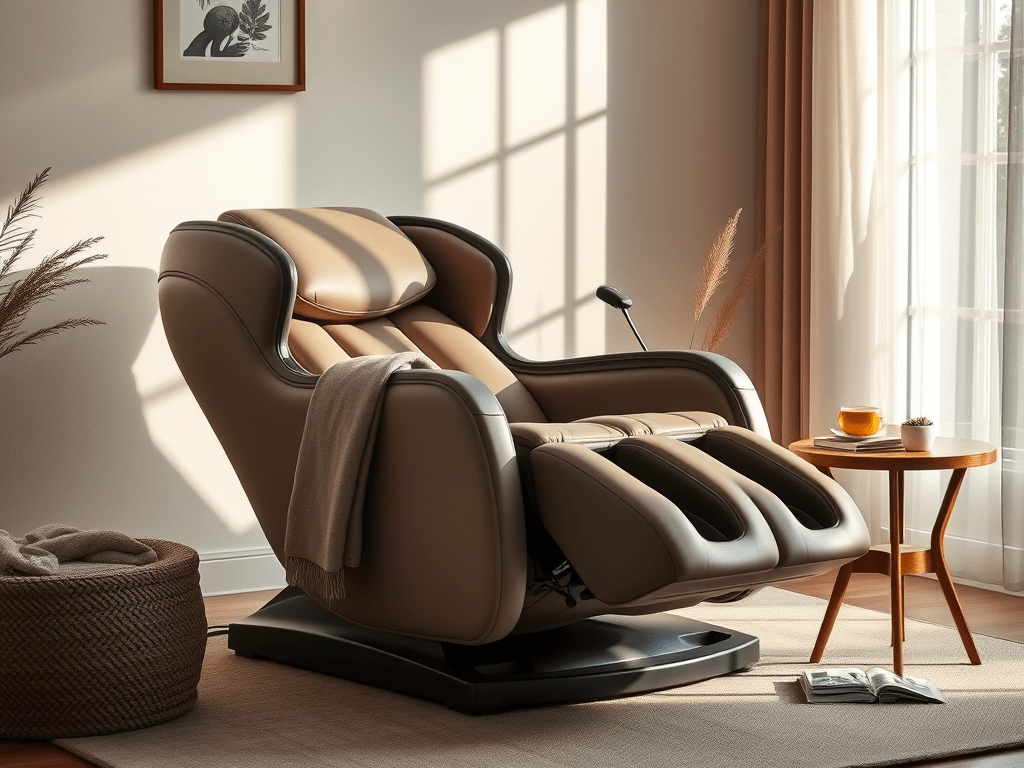
Zero Gravity Massage Chairs for Seniors: The Complete 2025 Guide to Pain Relief and Better Mobility
As we age, our bodies face new challenges. Chronic back pain, reduced circulation, stiff joints, and declining mobility can make daily activities difficult and diminish quality of life. For seniors seeking relief from age-related issues without relying solely on medications or frequent doctor visits, zero-gravity massage chairs offer a promising solution that combines therapeutic benefits with the comfort of home.
This comprehensive guide explores everything seniors and their families need to know about zero gravity massage chairs, including how they work, their specific benefits for older adults, safety considerations, and how to choose the right chair for individual needs and budgets.
Understanding Zero Gravity Technology and Why It Matters for Seniors
Zero gravity positioning was originally developed by NASA to help astronauts cope with the intense physical stress of space launches. Scientists discovered that when the body reclines to a specific angle with legs elevated above the heart, gravitational pressure on the spine is minimized, creating a sensation similar to floating.
For seniors, this positioning offers profound therapeutic advantages that address many common aging-related concerns.
How Zero Gravity Position Benefits Aging Bodies
When you recline in a zero-gravity massage chair, your body assumes a position in which your legs are elevated approximately 30 degrees above your heart, while your torso reclines to about 128 degrees. This carefully calculated angle creates several important effects:
Spinal Decompression: Throughout decades of life, gravity constantly compresses the spine. As we age, the intervertebral discs that cushion our vertebrae lose moisture and become thinner. Zero gravity positioning reverses this compression, allowing the discs to expand and reducing pressure on nerves and vertebrae. For seniors dealing with conditions like degenerative disc disease, spinal stenosis, or general back pain, this decompression provides immediate relief.
Improved Circulation: As we age, circulation naturally declines. The heart works less efficiently, and blood vessels become less flexible. Elevating the legs above the heart makes it significantly easier for blood to return from the extremities. This improved circulation reduces swelling in the feet and ankles, delivers more oxygen and nutrients throughout the body, and helps prevent complications like blood clots that seniors are more susceptible to.
Reduced Joint Stress: The zero gravity position distributes body weight evenly across the chair, eliminating pressure points that can aggravate arthritic joints. Hips, knees, and ankles—joints that bear our weight all day—finally get a break from gravitational stress.
Enhanced Breathing: Lung capacity naturally decreases with age. The zero gravity position creates more space for the diaphragm to expand, allowing for deeper, more complete breaths. This increased oxygenation benefits every system in the body, from brain function to muscle recovery.
Specific Health Benefits for Older Adults
Zero gravity massage chairs address many health concerns that become more prevalent as we age. Understanding these specific benefits helps seniors and their families make informed decisions about whether this therapeutic tool is right for them.
Chronic Pain Management Without Medication
Many seniors deal with chronic pain from conditions like arthritis, fibromyalgia, old injuries, or general wear and tear on the body. While pain medications can provide relief, they often come with side effects, interact with other medications, and can be addictive.
Zero gravity massage chairs offer a non-pharmaceutical approach to pain management. The combination of the decompressive zero gravity position and targeted massage works through multiple mechanisms to reduce pain. Massage stimulates the release of endorphins, the body’s natural pain relievers. It also interrupts pain signals traveling from the body to the brain, providing immediate relief.
The heat therapy included in most massage chairs enhances these pain-relieving effects. Gentle warmth increases blood flow to painful areas, reduces inflammation, and helps tight muscles relax. For seniors with arthritis, the combination of heat, massage, and zero gravity positioning can provide hours of relief after just a 20-minute session.
Regular use of a massage chair may allow some seniors to reduce their reliance on pain medications, though any changes to medication should always be discussed with a healthcare provider.
Improved Mobility and Flexibility
Loss of flexibility and range of motion is one of the most challenging aspects of aging. Stiff joints and tight muscles make it harder to perform basic tasks like reaching overhead, bending to tie shoes, or getting up from chairs.
Massage chairs help maintain and even improve flexibility through several mechanisms. The massage function works on muscles, tendons, and fascia, helping to release adhesions and break up the stiffness that develops from reduced activity. Many chairs include stretching programs that gently extend and lengthen muscles, similar to what a physical therapist might do.
The air compression systems in massage chairs are particularly valuable for flexibility. These airbags inflate and deflate around your limbs, gently squeezing and releasing in patterns that promote better blood flow and help joints maintain their range of motion.
For seniors who struggle with daily stretching routines, a massage chair provides passive flexibility work that requires no effort or balance. This can be especially valuable for those with mobility limitations that make floor exercises dangerous or impossible.
Circulation Enhancement for Healthier Aging
Poor circulation becomes increasingly common with age and contributes to numerous health problems. Cold hands and feet, slow wound healing, cognitive decline, and increased risk of blood clots all stem partly from reduced circulation.
The elevated leg position in zero gravity chairs dramatically improves venous return—the flow of blood back to the heart from the extremities. This is particularly beneficial for seniors who spend most of their time sitting, as prolonged sitting causes blood to pool in the legs.
Better circulation delivers multiple benefits beyond just warmer extremities. Enhanced blood flow to the brain supports cognitive function and may help reduce the risk of cognitive decline. Improved circulation to muscles and tissues supports faster healing from injuries and helps maintain muscle mass, which naturally decreases with age.
The air compression massage in the legs and feet provides additional circulatory benefits. This rhythmic squeezing mimics the natural muscle pump action that occurs when we walk, helping move blood and lymphatic fluid through the body even during sedentary periods.
Sleep Quality Improvement
Many seniors struggle with poor sleep quality due to pain, stress, medications, or changes in circadian rhythms. Poor sleep creates a vicious cycle—it increases pain sensitivity, weakens the immune system, affects mood, and reduces the ability to handle daily activities.
Regular use of a zero gravity massage chair, particularly in the evening, can significantly improve sleep quality. The relaxation response triggered by massage reduces cortisol (the stress hormone) and increases serotonin and melatonin (hormones that promote sleep). The pain relief provided by massage means seniors can get comfortable more easily when they go to bed.
Many users report that they fall asleep during massage sessions, which speaks to how deeply relaxing the experience can be. While the chair isn’t meant for overnight sleep, some seniors find that a pre-bedtime massage session helps them transition into restful sleep more easily than they have in years.
Balance and Fall Prevention Support
While a massage chair doesn’t directly improve balance, it supports balance and fall prevention in indirect but important ways. Falls are a leading cause of injury and death in seniors, and anything that reduces fall risk is valuable.
Improved flexibility from regular massage makes seniors more stable on their feet. Better circulation means better nerve function and proprioception (body awareness in space). Reduced pain allows for more confident, natural movement rather than the guarded, compensatory movements that increase fall risk.
Additionally, many seniors fall because fatigue causes them to lose focus or stumble. The energy-boosting and restorative effects of massage can help seniors feel more alert and stable throughout the day.
Mental Health and Cognitive Benefits
The mental and emotional benefits of massage are particularly important for seniors, who face higher rates of depression, anxiety, and isolation. Touch therapy has been shown to reduce symptoms of depression and anxiety while promoting feelings of well-being.
For seniors who live alone or have limited social contact, the soothing physical sensations provided by a massage chair can help address touch deprivation, which negatively affects mental health. The sense of being cared for that massage provides can be emotionally comforting.
The improved circulation to the brain, better sleep quality, and stress reduction all support cognitive function. While a massage chair won’t prevent or reverse dementia, maintaining optimal brain health through good circulation and stress management may help seniors maintain mental clarity longer.
Safety Considerations for Senior Users
While zero gravity massage chairs offer tremendous benefits for older adults, safety is paramount. Understanding potential risks and how to mitigate them ensures seniors can enjoy their massage chairs safely.
Medical Conditions That Require a Doctor’s Consultation
Seniors should consult their healthcare providers before using a massage chair if they have any of the following conditions:
Cardiovascular Issues: Severe heart disease, uncontrolled high blood pressure, or a recent heart attack may contraindicate massage chair use. The changes in blood flow and positioning could affect cardiovascular function in ways that require medical oversight.
Blood Clots or Clotting Disorders: Seniors with deep vein thrombosis (DVT), pulmonary embolism, or clotting disorders need medical clearance. The massage action could theoretically dislodge a clot, creating a dangerous situation.
Osteoporosis: Severe osteoporosis means bones are fragile and could potentially fracture from massage pressure. However, many seniors with mild to moderate osteoporosis can safely use chairs with gentle massage settings. A doctor can assess individual risk.
Recent Surgery or Injuries: Post-operative patients or those recovering from injuries should wait until their healthcare provider clears them for massage. The time frame varies depending on the type of surgery or injury.
Pacemakers or Implanted Devices: While most modern pacemakers are well-shielded, it’s important to confirm with the cardiologist that the magnetic fields or vibrations from a massage chair won’t interfere with device function.
Pregnancy: While not relevant for most seniors, women experiencing late-life pregnancies should avoid massage chairs during the first trimester and consult their obstetrician before use later in pregnancy.
Safe Usage Guidelines for Older Adults
Even for seniors without contraindicated conditions, following safety guidelines ensures the best experience:
Start Gently: Begin with the gentlest settings and shortest duration programs. Seniors’ bodies may be more sensitive to massage than younger adults. A 10-15 minute session on low intensity is appropriate for the first few uses.
Avoid Overuse: While massage feels wonderful, more isn’t always better. Limit sessions to 30 minutes or less, and avoid using the chair multiple times daily until you understand how your body responds. Overstimulation can cause muscle soreness or bruising, especially on fragile skin.
Stay Hydrated: Massage stimulates the lymphatic system and helps release toxins from tissues. Drinking water before and after sessions supports this detoxification process and prevents the mild dehydration that can sometimes follow massage.
Use Proper Positioning: Ensure you’re positioned correctly in the chair before starting. Your shoulders should align with the shoulder airbags, and your legs should extend comfortably to the footrest. Improper positioning reduces effectiveness and could cause discomfort.
Listen to Your Body: If anything feels painful or uncomfortable (beyond the “good hurt” of deep tissue work on tight muscles), stop the session immediately. Pain is your body’s warning signal and should never be ignored.
Avoid Eating Large Meals Before Sessions: Using a massage chair on a full stomach can be uncomfortable due to the pressure on your abdomen. Wait at least 90 minutes after significant meals.
Preventing Falls During Entry and Exit
For seniors with mobility challenges, getting in and out of the massage chair safely is crucial:
Choose Chairs with Good Entry Access: Look for chairs with wide, open arm designs that don’t require squeezing through narrow openings. Power lift recliners that assist with standing are ideal for seniors with significant mobility limitations.
Keep the Area Clear: Ensure there’s plenty of clear space around the chair. Remove throw rugs, electrical cords, and other tripping hazards. Good lighting is essential, especially for evening use.
Use Assistive Devices: Seniors who use canes or walkers should keep these within easy reach. Some may benefit from having a sturdy piece of furniture nearby to hold for support during transfers.
Consider Timing: Use the chair when you’re alert and well-rested rather than when you’re exhausted. Fatigue increases fall risk. If you tend to fall asleep during sessions, set a timer so you’re not startled awake and disoriented.
Ask for Help When Needed: There’s no shame in asking a family member or caregiver to assist with getting in and out of the chair, especially when you’re first learning to use it. Safety is more important than independence when fall risk is high.
Key Features Seniors Should Prioritize
Not all massage chairs are equally suitable for older adults. Understanding which features matter most for senior users helps families make smart purchasing decisions.
Simple, Intuitive Controls
Complex touchscreens and multi-function remotes can be frustrating for seniors, especially those with arthritis in their hands, vision problems, or cognitive changes. The ideal massage chair for seniors features:
Large, Clearly Labeled Buttons: Buttons should be big enough to press easily, even with limited dexterity. Clear, high-contrast labeling that’s easy to read without glasses is important.
Voice Control Options: Some premium chairs offer voice commands, which can be ideal for seniors with vision or dexterity issues. Simple commands like “start relaxation program” or “increase intensity” eliminate the need to navigate complex menus.
Pre-Programmed Options: Rather than requiring users to manually adjust every parameter, quality chairs offer automatic programs designed for specific purposes—relaxation, pain relief, gentle massage, etc. This one-button simplicity is perfect for seniors who want effectiveness without complexity.
Wired Remotes: While wireless remotes seem more modern, wired controllers can’t get lost between couch cushions or run out of batteries at inconvenient times. For seniors who might forget to charge devices, a wired remote provides reliable, always-available control.
Gentle Massage Options
Senior skin is thinner and more fragile than younger skin, and conditions like osteoporosis mean bones are more vulnerable to pressure. The massage intensity that’s comfortable for a 30-year-old athlete might be too aggressive for an 80-year-old with arthritis.
Look for chairs that offer:
Multiple Intensity Levels: The ability to adjust massage intensity from very gentle to moderate (saving deep tissue work for younger users) is crucial. Some chairs offer intensity adjustment through a simple dial or slider, making real-time adjustments easy during sessions.
Swedish Massage Programs: Swedish massage uses long, flowing strokes that are gentle and relaxing—ideal for senior users. This is more appropriate than deep tissue or sports massage programs for most older adults.
Air Compression Over Rollers: For very frail seniors or those with osteoporosis, chairs that emphasize air compression massage over roller massage provide therapeutic benefits with minimal risk. The gentle squeezing and releasing of airbags is less likely to cause bruising or discomfort than rolling or pressing into bony areas.
Adjustable Speed: Slower massage speeds are often more comfortable and relaxing for seniors than the rapid tapping or kneading that younger users might prefer.
Heat Therapy Features
Heat is particularly beneficial for older adults dealing with arthritis, stiffness, and poor circulation. Quality massage chairs for seniors should include:
Lumbar Heat: Lower back heating is the most common and most valuable heat feature. It helps ease the chronic lower back pain that affects many seniors.
Calf and Foot Heat: For seniors with circulation issues, cold feet, or peripheral neuropathy, heat in the lower extremities provides wonderful relief and comfort.
Adjustable Temperature: The ability to control heat intensity ensures comfort across different seasons and individual preferences. What feels perfect in winter might be too warm in summer.
Quick Activation: Heat should activate within minutes rather than requiring long warm-up periods. Seniors often have limited patience for technology that doesn’t respond quickly.
Excellent Leg and Foot Massage
Many age-related circulatory and mobility issues concentrate in the lower extremities. Swollen ankles, cold feet, restless leg syndrome, and tight calf muscles are common complaints. A massage chair with comprehensive leg and foot coverage provides:
Foot Rollers: Rollers that work the soles of the feet provide reflexology-style massage that’s both therapeutic and incredibly relaxing. Many users report that foot massage alone makes the chair worth the investment.
Calf Air Compression: Airbags that squeeze and release the calves help move blood back toward the heart, reducing swelling and improving circulation. This is particularly valuable for seniors who sit for long periods.
Adjustable Footrest: As height varies significantly among seniors, an extendable or adjustable footrest ensures proper positioning regardless of leg length. Some chairs can accommodate users from 5’2″ to over 6’2″.
Separate Leg Control: The ability to adjust leg and foot massage intensity independently from back massage allows seniors to emphasize the areas where they need the most help.
Safe Zero Gravity Recline
While zero gravity positioning offers tremendous benefits, the recline mechanism must be safe and smooth for senior users:
Motorized Recline: A Power recline that’s activated by a button means seniors don’t have to manually push or pull heavy footrests. The movement should be smooth and controlled, not jerky or sudden.
Slow, Gradual Movement: Rapid position changes can cause dizziness, especially in seniors with blood pressure issues. The best chairs recline and return to upright gradually, giving the cardiovascular system time to adjust.
Return to Upright Function: After relaxing in zero gravity, the chair should easily return to an upright or slightly reclined position that makes it easy to stand up. Some chairs even offer a slight forward tilt that assists with standing.
Position Memory: Premium chairs can save preferred positions. This feature ensures seniors don’t have to readjust settings each time they use the chair. This is especially valuable for households where multiple people share the chair—each person can have their position saved.
Best Budget Ranges for Senior Needs
Massage chairs span an enormous price range, and determining the right budget requires balancing features, quality, and financial resources.
Entry-Level Options ($800-$2,000)
For seniors on fixed incomes or families just testing whether a massage chair will be used regularly, entry-level options provide legitimate therapeutic benefits without breaking the bank.
What to Expect: Chairs in this range typically offer basic zero gravity positioning, fixed rollers (non-adjustable depth), simple automatic programs, lumbar heat, and basic air compression. They may use faux leather upholstery and have simpler control systems.
Ideal For: Seniors with moderate, non-chronic pain; those new to massage chairs who aren’t sure they’ll use it regularly; situations where the chair will be used occasionally rather than daily; supplementing other pain management approaches rather than serving as the primary intervention.
Limitations: Less sophisticated massage techniques, limited customization, shorter warranties (typically 1-2 years), may not include body scanning or advanced features like voice control, and build quality may be lower, leading to shorter lifespan.
Recommended Approach: If considering an entry-level chair, prioritize models from established manufacturers with good customer service. Read reviews focusing on durability and longevity since these chairs may not last as long as premium options.
Mid-Range Options ($2,000-$5,000)
This category represents the sweet spot for many seniors—significant improvements in features, quality, and comfort without the premium prices of luxury models.
What to Expect: Body scanning technology customizes massage to individual bodies. 3D rollers come with adjustable intensity. There are more sophisticated automatic programs, offering 12-15 options. Expect better upholstery and padding. Enjoy longer warranties of 3-5 years. Experience heat in multiple locations. There are comprehensive air compression systems.
Ideal For: Seniors with chronic pain or regular discomfort; those planning daily use; situations where the chair is a primary pain management tool; users who want more customization and control; families investing in long-term wellness.
Advantages: Significantly better massage quality and customization compared to entry-level, durable construction that should last 7-10+ years with proper care, often includes helpful features like USB charging ports and Bluetooth speakers, better customer service, and warranty support from manufacturers.
Recommended Approach: This price range often offers the best value proposition. Research specific models carefully, focusing on features most relevant to the senior’s needs. Consider holiday sales and financing options that many retailers offer.
Premium Options ($5,000-$10,000+)
High-end massage chairs offer cutting-edge technology and luxury features that can significantly enhance the user experience, though they’re not necessary for everyone.
What to Expect: 4D rollers with the most advanced movement patterns, SL-track systems covering from neck to calves, AI-powered customization, smartphone app controls with expanded features, premium leather upholstery, whisper-quiet operation, extensive warranties (5+ years with in-home service), and advanced features like inversion programs or zero-wall space-saving designs.
Ideal For: Seniors with significant chronic pain who will use the chair daily; those who can comfortably afford the investment; situations where multiple family members will benefit from the chair; users who want the absolute best technology available; those replacing regular professional massage therapy.
Considerations: The marginal benefit over mid-range chairs may not justify the price increase for all users. Some seniors find the advanced features overwhelming rather than helpful. The cost might be better allocated to other health expenses, like home modifications for safety or regular physical therapy.
Recommended Approach: If considering a premium chair, ensure you test it extensively (many retailers offer trial periods). Make sure the senior is comfortable with the technology and controls before investing. Consider whether the additional features will actually be used or if they’ll just add complexity.
Financing and Assistance Programs
For many seniors on fixed incomes, even entry-level massage chairs represent a significant investment. Several options can make the purchase more feasible:
Retailer Financing: Many massage chair retailers offer 0% interest financing for 12-24 months, making it possible to spread the cost without paying extra.
HSA/FSA Accounts: If the chair is being used to treat a specific medical condition, it may be eligible for purchase with Health Savings Account or Flexible Spending Account funds. A doctor’s prescription or letter of medical necessity may be required.
Medicare/Insurance: Standard Medicare typically doesn’t cover massage chairs as they’re considered comfort items rather than durable medical equipment. However, some Medicare Advantage plans, or supplemental insurance, may offer partial coverage. It’s worth investigating individual policies.
Veterans Benefits: Some VA benefits may cover or subsidize massage chairs for veterans with service-related injuries or chronic pain conditions. Contact your local VA office to inquire about eligibility.
Family Contributions: Consider whether multiple family members might chip in together to purchase a chair as a gift for a senior parent or grandparent. Birthday, holiday, or “just because” family gifts can make premium chairs accessible.
Real-World Benefits: What Seniors Report
Understanding the actual experiences of older adults who use zero gravity massage chairs helps set realistic expectations and illustrates the real-world impact.
Pain Management Success Stories
Many seniors report significant reductions in chronic pain that had been limiting their activities and quality of life for years. Common themes in user testimonials include:
Reduced Medication Needs: Numerous seniors describe reducing or eliminating daily pain medications after several weeks of regular massage chair use. While medication changes should always be supervised by doctors, the ability to manage pain with less pharmaceutical intervention is highly valued.
Increased Activity Levels: With less pain, seniors often become more active. They’re able to walk further, play with grandchildren more comfortably, return to hobbies they’d abandoned, and maintain independence in daily activities longer.
Better Sleep Leading to Overall Improvement: The pain relief allows for better sleep creates positive cascading effects. Better-rested seniors have more energy, better moods, stronger immune systems, and improved cognitive function.
Delayed Need for Interventions: Some seniors report that regular massage chair use helped them postpone or avoid more invasive interventions like injections or surgery for conditions like spinal stenosis or degenerative disc disease.
Mobility and Independence Improvements
Beyond just pain relief, many seniors experience improvements in physical function that help them maintain independence:
Better Balance and Confidence: Reduced pain and improved flexibility often translate to more confident movement and better balance. Seniors feel more secure on their feet and less fearful of falls.
Maintained Driver’s Licenses: The ability to turn your head comfortably to check blind spots and the flexibility to reach pedals comfortably are crucial for safe driving. Some seniors credit their massage chairs with helping them maintain driving privileges longer.
Continued Independent Living: For seniors hoping to avoid assisted living facilities, anything that helps maintain physical function supports independent living goals. The cumulative effect of daily pain relief, better sleep, and maintained flexibility can be the difference between staying home and needing to move to care facilities.
Social and Emotional Benefits
The impact on quality of life extends beyond just physical health:
Reduced Isolation: Seniors who experience pain relief and better mobility are more likely to engage in social activities. They can attend events, visit with friends, and participate in community activities that pain had previously made difficult.
Improved Family Relationships: When seniors aren’t constantly dealing with pain and limited mobility, they can be more present and engaged with family members. Grandparents can play more actively with grandchildren, participate in family outings, and maintain the relationships that give life meaning.
Mental Health Improvements: Multiple seniors describe reductions in depression and anxiety symptoms after incorporating regular massage chair use into their routines. The combination of pain relief, better sleep, and the soothing, comforting sensation of massage all contribute to better mental health.
Sense of Control: Having a tool they can use independently whenever pain strikes gives seniors a sense of control over their health that’s often eroded by aging and chronic conditions. This autonomy is psychologically valuable.
Making the Right Choice: Decision Framework
Choosing a massage chair for a senior requires considering multiple factors beyond just features and price.
Assessing Individual Needs
Start by honestly evaluating the specific senior’s situation:
Primary Health Concerns: What are the main issues the chair needs to address? Back pain? Circulation problems? General stiffness and reduced mobility? Different chairs excel in different areas.
Physical Limitations: Does the senior have significant mobility challenges that require features like power lift recliners? Does arthritis in the hands require very simple controls? Vision problems requiring voice control?
Cognitive Status: Is the senior cognitively sharp and able to learn new technology, or will complexity be frustrating? This determines whether advanced features are assets or liabilities.
Living Situation: Does the senior live alone (requiring easy-to-use emergency assistance if needed) or with family who can help with the chair? Is there adequate space? Are electrical outlets conveniently located?
Budget Reality: What can truly be afforded without creating financial stress? Consider not just the purchase price but potential maintenance costs and whether the chair might need replacement within a certain timeframe.
Testing Before Buying When Possible
For such a significant purchase, testing is highly recommended:
Visit Showrooms: Many massage chair retailers have showrooms where you can try multiple models. Plan to spend at least 15-20 minutes in any chair you’re seriously considering, trying different programs and positions.
Bring the Senior: Even if family members are funding the purchase, the senior who’ll be using the chair should be involved in testing. Their comfort and ease of use matter most.
Test During Different Times: If possible, test chairs both when feeling relatively good and when experiencing more significant pain or stiffness. The chair should help in both situations.
Ask Questions: Inquire about return policies, warranty coverage, delivery and setup services, and ongoing customer support. These factors significantly impact long-term satisfaction.
Reading Reviews Strategically
Online reviews provide valuable insights, but should be read critically:
Focus on Age-Relevant Reviews: Look specifically for reviews from seniors or people purchasing for elderly parents. Young, athletic users have different priorities and experiences than older adults.
Look for Long-Term Reviews: Reviews written after months or years of use are more valuable than immediate reactions. Durability, reliability, and customer service become apparent only over time.
Note Common Complaints: If multiple reviews mention the same issue (e.g., “controls are confusing” or “intensity is too strong”), take that seriously even if overall ratings are good.
Consider the Source: Reviews on the manufacturer’s website may be curated. Look for reviews on independent sites, forums where people discuss massage chairs, and retail sites like Amazon where verified purchasers share experiences.
Professional Guidance
Consider involving healthcare professionals in the decision:
Physical Therapist Input: A physical therapist who knows the senior’s specific conditions can provide valuable guidance on which features would be most beneficial and whether there are any contraindications.
Doctor’s Blessing: Especially for seniors with multiple health conditions or those taking several medications, getting the primary care physician’s approval before purchase is wise.
Occupational Therapist Assessment: For seniors with significant mobility challenges, an occupational therapist can assess whether a massage chair is appropriate and what safety modifications might be needed in the home.
Conclusion: Investing in Quality of Life
For many seniors, a zero gravity massage chair represents more than just a luxury item—it’s an investment in maintaining independence, managing pain without excessive medication, and preserving quality of life during the aging process.
The right massage chair, used regularly and safely, can provide benefits that compound over time. Better pain management leads to better sleep. Better sleep improves mood and energy levels. More energy and less pain enable greater activity and social engagement. Maintaining activity helps preserve physical and cognitive function. These interconnected benefits create a positive cycle that supports healthy aging.
While massage chairs require significant upfront investment, for many seniors and their families, the cost is justified by the daily benefits, potential reduction in other healthcare expenses, and, most importantly, the improvement in day-to-day quality of life.
The key is choosing wisely—prioritizing safety features, appropriate intensity levels, ease of use, and reliable customer support over flashy but unnecessary features. Taking time to research, test options, and select a chair truly suited to individual needs ensures that this investment delivers years of therapeutic benefit.
For seniors seeking natural, non-pharmaceutical ways to manage the physical challenges of aging while maintaining independence and enjoying their later years, zero gravity massage chairs offer a scientifically-grounded, practically effective solution worth serious consideration.
Frequently Asked Questions About Massage Chairs for Seniors
Can massage chairs help with arthritis pain? Yes, massage chairs can provide significant relief for arthritis symptoms through multiple mechanisms. The gentle massage improves circulation to joints, which helps deliver nutrients and remove inflammatory compounds. Heat therapy reduces stiffness and makes movement easier. The zero gravity position takes pressure off affected joints. Many seniors with arthritis report that regular use helps them maintain better mobility and reduces their need for pain medications.
Are massage chairs safe for seniors with osteoporosis? Seniors with mild to moderate osteoporosis can often safely use massage chairs set to gentle intensities. However, those with severe osteoporosis should consult their doctor before use, as the pressure from massage rollers could theoretically cause fractures in very fragile bones. Chairs that emphasize air compression over roller massage may be safer options for seniors with significant bone density loss.
How long should seniors use a massage chair each day? Most manufacturers and healthcare professionals recommend limiting sessions to 15-30 minutes, particularly when starting out. Seniors should begin with shorter sessions (10-15 minutes) at gentle intensities and gradually increase duration as their bodies adapt. Using the chair once or twice daily is generally safe. However, seniors should avoid excessive use. It could lead to muscle soreness or skin irritation.
Will Medicare pay for a massage chair? Standard Medicare does not typically cover massage chairs as they’re classified as comfort items rather than durable medical equipment. Some Medicare Advantage plans may offer partial coverage. If you have a Health Savings Account (HSA) or Flexible Spending Account (FSA), you may be able to use those funds. However, a doctor’s prescription might be required. It’s worth checking your specific insurance coverage and exploring all available options.
What’s the difference between a massage chair and a regular recliner for seniors? While both provide comfortable seating, massage chairs offer therapeutic benefits that regular recliners don’t. Massage chairs include motorized rollers and airbags that actively work on muscles. The zero gravity position is optimized for spinal decompression and circulation. Heat therapy provides pain relief. Regular use can actually improve health outcomes rather than just providing comfortable sitting. For seniors with chronic pain or mobility issues, these therapeutic features can significantly impact quality of life.
Can someone with a pacemaker safely use a massage chair? Most modern pacemakers are well-shielded against electromagnetic interference. However, seniors with pacemakers should consult their cardiologist before using a massage chair. The doctor can evaluate whether the specific pacemaker model and the individual’s condition make massage chair use safe. In most cases, with medical clearance, pacemaker patients can safely enjoy massage chairs.
Ready to improve your quality of life with zero gravity wellness? Explore our selection of senior-friendly massage chairs with easy-to-use controls, gentle massage options, and safety features designed for older adults.
Best Massage Chairs for Seniors – Compare Top-Rated Models with Senior-Friendly Features
Discover more from Stress Free In Zero Gravity
Subscribe to get the latest posts sent to your email.

