
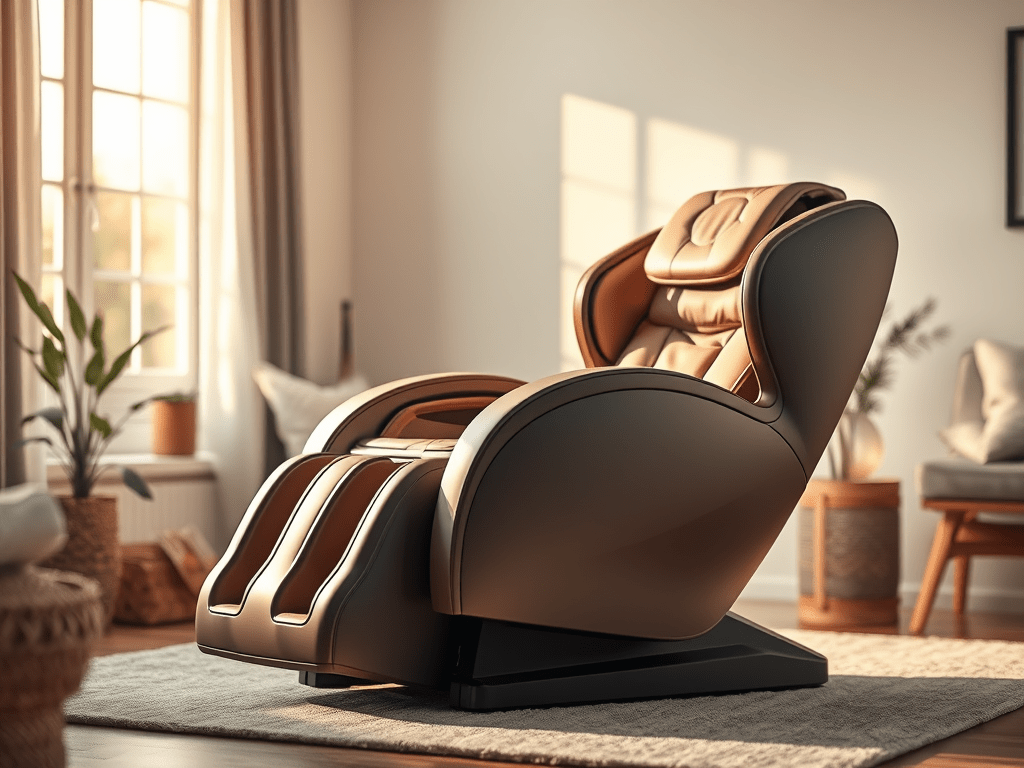
Zero Gravity Massage Chair for Lower Back Pain: Your Complete Relief Guide 2025
Lower back pain affects approximately 80% of adults at some point in their lives, making it one of the most common and debilitating health issues worldwide. Whether you’re dealing with chronic lumbar discomfort from years at a desk, acute pain from an injury, sciatica radiating down your legs, or general stiffness from aging, finding effective relief without relying solely on medications or invasive procedures can feel impossible.
Enter the zero gravity massage chair—a therapeutic innovation that combines NASA-inspired positioning with advanced massage technology to address the root causes of lower back pain. These aren’t just comfortable recliners with vibration features. They’re sophisticated wellness tools engineered specifically to decompress your spine, reduce pressure on your intervertebral discs, improve circulation to damaged tissues, and provide targeted massage exactly where you need it most.
In this comprehensive guide, we’ll explore how zero gravity massage chairs work to alleviate lower back pain, what specific features you should prioritize, which conditions respond best to this therapy, and how to choose the right chair for your particular situation. If you’ve been living with chronic lumbar pain and wondering if there’s a better solution than pills and heating pads, this guide will show you why zero gravity massage chairs might be the answer you’ve been searching for.
Understanding Lower Back Pain: Why Your Lumbar Region Hurts
Before exploring solutions, understanding what causes lower back pain helps you appreciate why zero gravity massage chairs are so effective.
The Anatomy of Lower Back Pain
Your lumbar region—the five vertebrae labeled L1 through L5 in your lower back—bears an enormous burden. This area supports the entire weight of your upper body while allowing the flexibility needed for bending, twisting, and lifting. Between each vertebra sits an intervertebral disc, a cushion-like structure that absorbs shock and prevents bone-on-bone contact.
When everything functions properly, this system works beautifully. But modern life creates constant stress on this region. Prolonged sitting compresses these discs, squeezing fluid out and reducing their shock-absorbing capacity. Poor posture shifts weight unevenly, causing some muscles to overwork while others weaken. Sudden movements or lifting with improper form can strain muscles, herniate discs, or pinch nerves.
The result? Pain that can range from a dull, constant ache to sharp, debilitating spasms that make even basic movements excruciating.
Common Causes of Chronic Lower Back Pain
Prolonged Sitting: If you work at a desk, drive for long periods, or spend hours on the couch, you’re compressing your lumbar spine for extended periods. This compression reduces blood flow, causes discs to lose hydration, and creates muscle imbalances as your hip flexors tighten and your glutes weaken.
Poor Posture: Slouching forward shifts your center of gravity, forcing your lower back muscles to work overtime to keep you upright. Over months and years, this constant strain leads to chronic muscle tension and eventual pain.
Muscle Imbalances: When certain muscles become too tight (like hip flexors and lower back muscles) while others become too weak (like abdominals and glutes), your spine loses proper support. This imbalance creates excessive stress on your lumbar region.
Disc Issues: Herniated discs, bulging discs, or degenerative disc disease occur when the cushions between your vertebrae become damaged. These conditions can cause pain directly or by compressing nearby nerves.
Sciatica: When the sciatic nerve—which runs from your lower back down through your legs—becomes compressed or irritated, it causes pain, numbness, or tingling that radiates from your lower back into your buttocks and legs.
Arthritis and Inflammation: Osteoarthritis in the spine, inflammatory conditions like ankylosing spondylitis, or general inflammation from injury or overuse can all create persistent lower back pain.
Previous Injuries: Old injuries from accidents, sports, or lifting incidents can create lasting damage or scar tissue that continues causing pain years later.
Why Traditional Treatments Often Fall Short
Most people with lower back pain cycle through various treatments: over-the-counter pain relievers, prescription medications, heating pads, ice packs, physical therapy exercises, chiropractic adjustments, or cortisone injections. While these can provide relief, they often have limitations.
Pain medications mask symptoms without addressing root causes. Heat and ice provide temporary comfort but don’t fix structural problems. Physical therapy exercises work but require consistent effort and can be difficult when you’re already in pain. Professional massage helps but requires appointments, travel, and recurring costs.
What many people need is a solution that addresses multiple aspects of lower back pain simultaneously—spinal decompression, muscle relaxation, improved circulation, and pain relief—while being accessible at home whenever pain strikes. This is exactly what zero gravity massage chairs are designed to provide.
How Zero Gravity Positioning Targets Lower Back Pain
The foundation of any therapeutic massage chair is its zero gravity capability. Understanding how this positioning specifically addresses lower back pain helps you appreciate why it’s so effective.
The Science of Spinal Decompression
Throughout every day, gravity constantly compresses your spine. When you stand, walk, or sit, gravitational forces press your vertebrae together, squeezing the intervertebral discs between them. Over time, this compression causes discs to lose fluid—particularly as we age—reducing their height and cushioning ability. Compressed discs can’t effectively absorb shock, leading to increased pain and potential herniation.
Zero gravity positioning reverses this compression. When you recline in a zero gravity massage chair, your body assumes a position where your legs elevate above your heart level while your torso reclines to approximately 128 degrees. This specific angle distributes your body weight evenly across the chair’s surface rather than concentrating it on your spine.
The result? Your vertebrae can separate slightly, creating space for your discs to expand and rehydrate. This decompression reduces pressure on intervertebral discs and alleviates tension in the lower back muscles. For people with compressed or degenerative discs, even 15-20 minutes in this position can provide significant relief.
Why Leg Elevation Matters for Your Lower Back
Elevating your legs above heart level isn’t just about comfort—it directly impacts your lower back health through improved circulation and reduced muscle tension.
When your legs remain elevated, blood doesn’t have to fight against gravity to return from your lower extremities to your heart. This improved venous return means better overall circulation, which delivers more oxygen and nutrients to the muscles and tissues supporting your lower back. Better circulation also helps remove inflammatory compounds and metabolic waste products that contribute to pain and stiffness.
Additionally, hip flexor muscles—which connect your upper thighs to your lower spine—get to relax in the zero gravity position. These muscles become chronically tight from prolonged sitting, and when they’re tight, they pull on your lower back, creating or exacerbating pain. The zero gravity position allows these muscles to lengthen and release their grip on your lumbar region.
Even Weight Distribution: No More Pressure Points
In standard sitting positions, your body weight concentrates on specific pressure points—your tailbone, lower back contact points, and the backs of your thighs. These concentrated pressure areas restrict blood flow and create localized pain, especially if you remain in position for extended periods.
Zero gravity chairs distribute body weight evenly, reducing stress on the spine and joints. Your weight spreads across the entire surface area of the chair, eliminating concentrated pressure points. For your lower back specifically, this means the lumbar region isn’t bearing disproportionate weight, allowing muscles to truly relax rather than constantly working to maintain position.
Immediate vs. Cumulative Benefits
The pain relief from zero gravity positioning works on two timescales. Immediately upon reclining, many users experience a sensation of relief as pressure lifts from their lower back. Muscles that have been clenched in protective spasm begin to release. This immediate relief is genuine and valuable, particularly during acute pain episodes.
The cumulative benefits develop over weeks of regular use. As your discs rehydrate more consistently, they regain some of their cushioning ability. As circulation improves repeatedly, chronic inflammation reduces. As tight muscles release regularly, they gradually develop a new, healthier resting tension. These cumulative effects can lead to lasting improvements in chronic lower back pain when the chair becomes part of your regular wellness routine.
Massage Technology Specifically for Lower Back Relief
While zero gravity positioning alone provides significant benefits, the real therapeutic power comes from combining this position with targeted massage technology. Modern massage chairs include multiple mechanisms specifically designed to address lower back pain.
Lumbar-Focused Roller Systems
The massage rollers in quality zero gravity chairs follow tracks that align with your spine. For lower back pain sufferers, the most important consideration is how comprehensively these rollers address the lumbar region.
S-Track Systems: Basic massage chairs use S-tracks that follow the natural curve of your spine from neck to mid-back. While these address upper and mid-back pain effectively, they often don’t extend low enough to fully address lumbar issues. If your pain concentrates primarily in your very lower back near your hips, an S-track may feel incomplete.
L-Track Systems: L-tracks extend the massage beyond the spine to include your glutes and upper thighs. This extended coverage is crucial for lower back pain because tension in your gluteal muscles and hip area directly affects your lumbar region. Many cases of lower back pain actually originate from tight glutes or hip muscles pulling on the lower spine. L-track chairs address these connected areas.
SL-Track Systems: The most comprehensive option combines both approaches, providing full spinal coverage plus extension into glutes and thighs. For chronic lower back pain, SL-track systems offer the most complete solution.
The rollers themselves use various techniques to address muscle tension:
Kneading: Circular motions that work deep into muscle tissue, breaking up knots and adhesions. This technique is particularly effective for chronic muscle tension in the lumbar region.
Tapping/Percussion: Rapid strikes that stimulate blood flow and release superficial muscle tension. Some users find this helpful for general stiffness, while others prefer deeper techniques.
Shiatsu: Sustained pressure on specific points along the spine, mimicking traditional shiatsu massage therapy. This can be especially effective for nerve-related pain as it works on pressure points that influence pain signals.
Rolling: Continuous movement up and down the spine that promotes circulation and general relaxation. While not as intense as other techniques, rolling helps maintain flexibility and prevents stiffness.
3D and 4D Roller Technology
The dimensionality of massage rollers significantly affects how they address lower back pain:
2D Rollers: Move up/down and side-to-side along the track at a fixed depth. These provide consistent massage but can’t adjust to different body shapes or vary pressure depth.
3D Rollers: Add forward/backward extension, allowing you to adjust how deeply the rollers press into your lower back. This is crucial because optimal massage depth varies significantly between individuals. Someone with a muscular build needs deeper pressure to reach underlying tension, while someone with less body mass might find deep pressure painful. The ability to customize depth ensures therapeutic benefit without excessive discomfort.
4D Rollers: Add variable speed and rhythm to the three-dimensional movement, creating massage patterns that more closely mimic human hands. The varying rhythm prevents your body from adapting to a predictable pattern, maintaining therapeutic effectiveness throughout your session.
For lower back pain specifically, at least 3D technology is highly recommended. The ability to increase roller depth allows you to target the deeper lumbar muscles where chronic tension often resides.
Air Compression for Comprehensive Relief
While rollers work on your back directly, air compression systems address the connected areas that influence lower back pain:
Hip Compression: Airbags positioned around your hips squeeze and release in rhythmic patterns. This compression helps release tight hip flexors and addresses the gluteal muscles that support your lower back. Many users don’t realize how much hip tension contributes to their lower back pain until they experience targeted hip massage.
Leg and Calf Compression: Lower body compression serves two purposes for back pain sufferers. First, it improves circulation throughout your lower body, reducing inflammation that can affect your lower back. Second, it addresses the fascial connections between your legs and lower back—tension in your calves or hamstrings can literally pull on your lumbar region through the fascia that connects everything.
Full-Body Compression Pattern: Premium chairs coordinate compression massage in patterns that promote fluid movement through your body. This helps reduce swelling, improve lymphatic drainage, and create a deeply relaxing sensation that helps your entire body—including your lower back—release chronic tension.
Heat Therapy: A Crucial Component
Heat therapy for lower back pain isn’t just about feeling warm and cozy—it serves specific therapeutic purposes:
Increased Blood Flow: Heat dilates blood vessels, increasing blood flow around the spinal column and delivering more oxygen and nutrients to damaged tissues, which facilitates faster healing. For people with disc injuries, muscle strains, or inflammation, this enhanced circulation directly supports tissue repair.
Muscle Relaxation: Heat allows muscles to relax and vertebrae to fall back into place, providing deep relaxation in minutes. Tight lower back muscles resist manual massage when they’re cold and contracted. Warming them first makes them more pliable and responsive to therapeutic work.
Pain Reduction: Heat provides direct pain relief by interfering with pain signals traveling from your lower back to your brain. The warmth sensation essentially competes with pain signals, reducing your perception of discomfort.
Stiffness Relief: Heat reduces stiffness in muscles, and when combined with massage, provides maximum pain relief and spinal healing.
Most zero gravity massage chairs include heating elements specifically positioned in the lumbar region. Some premium models also offer heated rollers that combine deep massage with warming therapy simultaneously, providing synergistic benefits that exceed either treatment alone.
Specific Lower Back Conditions That Respond to Zero Gravity Massage
Understanding which specific conditions improve with zero gravity massage therapy helps you set realistic expectations and evaluate whether this solution fits your situation.
Mechanical Lower Back Pain
The most common type of lower back pain—often called mechanical or non-specific lower back pain—stems from muscle strain, poor posture, or general wear and tear rather than specific structural damage. If you experience lower back pain that worsens with certain movements, improves with others, and doesn’t involve radiating pain or numbness, you likely have mechanical lower back pain.
Zero gravity massage chairs are particularly effective for this condition because they address the primary causes:
- Muscle Tension Release: The combination of position, massage, and heat relaxes chronically tight lower back muscles
- Postural Reset: Regular sessions help your body “remember” proper spinal alignment
- Preventive Maintenance: Daily or regular use prevents the buildup of tension that leads to pain episodes
Many users with mechanical lower back pain report significant improvement within 2-3 weeks of consistent use—often 15-20 minutes daily or every other day.
Disc-Related Pain
Herniated discs, bulging discs, and degenerative disc disease create pain when damaged discs compress nerves or fail to adequately cushion vertebrae. While zero gravity massage chairs can’t repair structural disc damage, they can significantly reduce associated pain:
Spinal Decompression: The reclined angle and elevated feet help align the spine in a neutral position, relieving strain on intervertebral discs and reducing the risk of herniation or nerve compression. Creating space between vertebrae takes pressure off compressed discs, allowing them to heal and reducing nerve impingement.
Improved Hydration: Discs rely on movement and pressure changes to draw in fluid and nutrients. The combination of decompression followed by gentle movement helps promote disc hydration, which is crucial for healing.
Pain Management: Even when disc structure can’t fully heal, managing the muscle tension and inflammation around the damaged area significantly reduces pain perception.
Important Note: Anyone with severe disc issues should consult with their healthcare provider before using a massage chair. While generally beneficial, certain disc conditions might require specific modifications to avoid aggravating the injury.
Sciatica and Nerve-Related Pain
Those who use zero gravity chairs daily for sciatica experience significant relief both in the short-term and long-term. Sciatic pain occurs when the sciatic nerve becomes compressed or irritated, typically where it exits the spine in the lumbar region or where it passes through the piriformis muscle in the buttocks.
Zero gravity massage chairs address sciatica through multiple mechanisms:
Pressure Relief on Nerve Roots: Spinal decompression creates more space in the foramen (openings where nerves exit the spine), reducing compression on nerve roots that may be causing sciatic symptoms.
Piriformis Muscle Release: Many chairs with L-track or SL-track systems massage the glutes where the sciatic nerve can become entrapped by tight piriformis muscles. Releasing this muscle tension can provide dramatic relief from sciatic pain.
Reduced Inflammation: Improved circulation helps reduce the inflammation around nerves that amplifies pain signals.
Postural Correction: Sciatic pain often worsens with poor posture that increases nerve compression. Regular sessions help maintain better spinal alignment, preventing the postural problems that aggravate sciatica.
Users with sciatica often report that relief isn’t immediate—it may take 1-2 weeks of consistent use to notice significant improvement as inflammation gradually reduces and muscles release their grip on the nerve.
Muscle Spasms and Chronic Tension
Lower back muscle spasms—those sudden, involuntary contractions that cause severe, sharp pain—can be debilitating. They often occur when muscles are chronically tight and then experience a triggering event (awkward movement, cold exposure, stress).
Zero gravity massage chairs help with both the acute spasm and the chronic underlying tension:
Immediate Spasm Relief: The zero gravity position alone can help a spasming muscle relax by removing gravitational load. Combined with gentle heat, many users experience spasm relief within 10-15 minutes.
Breaking the Tension Cycle: Chronic muscle tension creates a cycle where tight muscles reduce blood flow, reduced blood flow causes more tension, and the cycle continues. Regular massage breaks this cycle by forcing relaxation and improving circulation.
Stress Reduction: Since stress is a major contributor to muscle tension, the overall relaxation response triggered by massage chair sessions helps prevent tension from building up in the first place.
Arthritis and Inflammatory Conditions
Osteoarthritis in the lumbar spine (spondylosis) or inflammatory conditions like ankylosing spondylitis create pain from inflammation rather than purely mechanical causes. While massage chairs can’t cure these conditions, they provide significant symptom management:
Improved Mobility: Gentle massage and heat help maintain or improve range of motion in the spine, preventing the progressive stiffening that often occurs with arthritis.
Pain Reduction: Regular sessions reduce the overall inflammatory burden in the lower back, leading to less day-to-day pain.
Morning Stiffness Relief: Many arthritis sufferers report that morning sessions help reduce the notorious morning stiffness associated with these conditions.
Reduced Medication Needs: While you should never stop prescribed medications without medical advice, many users report being able to reduce their reliance on over-the-counter pain relievers with regular massage chair use.
Post-Surgical Recovery
After certain types of back surgery—particularly minimally invasive procedures or those that don’t involve spinal fusion—zero gravity massage chairs can support recovery:
Reduced Scar Tissue Formation: Gentle massage promotes proper tissue healing and can help prevent excessive scar tissue formation that might limit mobility.
Muscle Rehabilitation: Surgery often leads to muscle weakness and deconditioning. Massage helps maintain muscle tone during recovery periods when activity is limited.
Pain Management: Managing post-surgical pain without excessive reliance on opioid medications is crucial, and massage therapy provides an effective alternative pain management tool.
Important: Always get explicit clearance from your surgeon before using a massage chair after back surgery. Different procedures have different recovery protocols, and premature use could interfere with healing.
Key Features to Prioritize for Lower Back Pain Relief
When shopping specifically for lower back pain relief, certain massage chair features matter more than others. Prioritizing these ensures your investment actually addresses your needs.
Extended Track Coverage (L-Track or SL-Track)
If lower back pain is your primary concern, don’t settle for basic S-track systems that end at mid-back. L-track allows for glutes and hamstring massage as well, which is important if you suffer from lower back pain.
The reasoning is straightforward: your lower back doesn’t exist in isolation. Tight glutes pull on your lower spine. Tense hamstrings affect your pelvic position, which influences lumbar curvature. Hip flexor tightness tilts your pelvis forward, creating excessive lower back arch. Comprehensive treatment requires addressing all these connected areas.
Look for chairs with tracks that extend at least to your upper glutes, ideally to mid-thigh. This ensures the massage reaches all the areas that influence your lower back health.
Adjustable Intensity (3D Minimum)
Pain tolerance and therapeutic needs vary dramatically between individuals. What feels therapeutic to one person might feel painfully aggressive to another, while someone else might find it too gentle to be effective.
3D roller technology lets you adjust massage depth to your specific needs. Start with lighter pressure and gradually increase as your muscles adapt. On days when your back is particularly sensitive, dial back the intensity. When you need deep work on stubborn tension, increase the depth.
This adjustability is also important as you progress through treatment. Initially, your lower back muscles might be too tender for deep massage. As they heal and strengthen with regular sessions, you can increase intensity to maintain therapeutic benefit.
- Zero Gravity Massage Chairs for Athletes: Recovery, Performance & Injury Prevention
- Zero Gravity Massage Chair for Lower Back Pain: Your Complete Relief Guide 2025
- KoziSense 2025 Zero Gravity Massage Chair Review: Is This Mid-Range Marvel Worth Your Investment?
Lumbar Heat Therapy
Non-negotiable for lower back pain sufferers. Heat therapy increases blood flow around the spinal column, delivers more oxygen and nutrients to damaged tissues, and facilitates faster healing. Choose chairs with dedicated lumbar heating elements rather than just general seat heat.
Some premium models offer multiple heat settings, allowing you to adjust temperature to your preference and the severity of your pain. The ability to use heat independently from massage is also valuable—sometimes you need gentle warmth without active massage stimulation.
Body Scanning Technology
Body scanning ensures the massage rollers align precisely with YOUR spine rather than using generic positioning that might not match your height or body shape. For lower back pain, this precision matters significantly—rollers hitting slightly above or below your lumbar region won’t provide the targeted relief you need.
Most body scanning systems take 30-60 seconds to map your spine before each session. While this adds a slight delay before your massage begins, the improved accuracy justifies the wait, especially for users with lower back issues who need exact positioning.
Customizable Auto Programs
Look for chairs that include specific programs designed for lower back pain or recovery. These programs typically combine:
- Moderate-to-deep kneading in the lumbar region
- Heat therapy activation
- Hip and glute massage to address connected areas
- Appropriate session duration (usually 15-30 minutes)
Having pre-programmed lower back routines means you don’t have to figure out optimal settings yourself—the chair applies therapeutic protocols designed by massage experts.
Quality Air Compression System
The number of airbags matters, but their positioning matters more. For lower back pain, ensure the chair includes:
- Hip/pelvic airbags that address hip flexor tension
- Glute compression that works the muscles supporting your lower back
- Full leg coverage to improve overall lower body circulation
Comprehensive air compression creates a more complete therapeutic experience than rollers alone.
Adequate Weight Capacity and Size Range
If a chair doesn’t fit your body properly, it can’t provide effective therapy. Check:
- Weight capacity: Most chairs accommodate 260-350 pounds, but performance is optimal below the maximum
- Height range: Chairs work best for users within specified height ranges (commonly 5’2″ to 6’2″)
- Width: Ensure you fit comfortably without feeling squeezed, as this would prevent proper relaxation
Reliable Warranty and Service
Lower back pain is typically a long-term concern requiring ongoing management. Choose chairs with substantial warranties (3+ years on parts minimum) and responsive customer service. The best features don’t matter if the chair breaks down after six months and can’t be repaired.
How to Use Your Zero Gravity Massage Chair for Maximum Lower Back Relief
Owning a therapeutic massage chair is just the first step. Using it strategically maximizes benefits and accelerates your relief from lower back pain.
Establishing an Effective Routine
Consistency trumps intensity when it comes to chronic pain management. Your body responds better to regular, moderate therapy than occasional aggressive sessions.
Frequency: For active lower back pain, daily sessions of 15-30 minutes provide optimal results. As pain improves, you can reduce to 4-5 times weekly for maintenance. Missing days here and there won’t erase progress, but consistent use prevents pain from returning to previous levels.
Best Times: Many users find certain times more beneficial than others:
- Morning: Helps reduce the stiffness and pain that often peaks after a night of inactivity
- After Work: Addresses the accumulated tension from a day of sitting or physical activity
- Before Bed: Promotes relaxation and better sleep, which itself supports healing
Experiment to find what works for your schedule and pain patterns. Some people split their use into two shorter sessions (morning and evening) rather than one longer session.
Optimal Settings for Lower Back Pain
Start conservatively and gradually intensify:
Week 1: Use gentle intensity with emphasis on heat therapy and air compression. Your goal is to introduce your body to the therapy without triggering protective muscle spasms or excessive soreness.
Weeks 2-3: Gradually increase roller intensity as your muscles adapt. Begin exploring different massage techniques to discover what your body responds to best.
Week 4+: You should have a good sense of your optimal settings. Most users settle into moderate-to-firm intensity with their preferred techniques, adjusting based on daily pain levels.
Heat Duration: If your chair allows independent heat control, consider starting heat 5-10 minutes before activating massage. Pre-warming muscles makes them more receptive to deeper work.
Positioning Tips
Proper positioning enhances effectiveness:
Alignment: Ensure your shoulders align with the chair’s shoulder rest and your spine centers on the massage track. Misalignment means rollers won’t hit the right areas.
Leg Position: Your legs should extend comfortably to the footrest without hyperextension. If your legs dangle or you have to stretch to reach, adjust the footrest (if possible) or add a pillow under your calves for support.
Pillow Support: Some users benefit from a small lumbar pillow for additional support during massage, while others find this interferes with roller access. Experiment to see what works for you.
Complementary Practices
Maximize your massage chair’s benefits by combining sessions with:
Hydration: Massage stimulates circulation and helps flush metabolic waste from tissues. Drinking water before and after sessions supports this detoxification process.
Gentle Stretching: Follow massage sessions with light stretching while your muscles are warm and relaxed. Focus on hip flexors, hamstrings, and gentle spinal rotations. Your increased flexibility post-massage makes stretching more effective and less uncomfortable.
Proper Ergonomics: Using your massage chair for relief while spending the rest of your day in positions that cause pain creates a frustrating cycle. Address your daily ergonomics—desk setup, car seat position, lifting techniques—to prevent pain from recurring.
Core Strengthening: While massage relieves pain, strengthening your core muscles provides long-term protection for your lower back. Even simple exercises like planks, bridges, and bird dogs significantly support spinal health when performed regularly.
Stress Management: Since stress contributes to muscle tension, using your massage chair as part of broader stress management (including mindfulness, adequate sleep, and work-life balance) provides more comprehensive benefits.
When to Adjust Your Approach
Pay attention to your body’s feedback:
If pain increases: Reduce intensity, shorten sessions, or focus on heat and gentle air compression without aggressive roller massage. Some soreness is normal when starting massage therapy, but increasing pain suggests you’re being too aggressive.
If you’re not seeing improvement: After 3-4 weeks of consistent use, you should notice at least some improvement. If pain remains unchanged, consult a healthcare provider to ensure there isn’t an underlying condition requiring different treatment.
If relief plateaus: After initial improvement, progress might slow. This is normal—you’re approaching your “new normal.” Maintain your routine for continued benefits rather than expecting linear improvement forever.
Real Results: What Users Report for Lower Back Pain
Understanding real-world experiences helps set appropriate expectations for what zero gravity massage chairs can and can’t do for lower back pain.
Timeline for Improvement
Week 1: Most users experience immediate relief during and shortly after sessions as the zero gravity position decompresses the spine and massage relaxes tense muscles. However, pain typically returns to baseline between sessions. Some users experience mild soreness as muscles adapt to massage therapy.
Weeks 2-4: The window between sessions and pain return begins extending. Users report waking up with less stiffness, getting through more of the day before pain intensifies, and experiencing reduced pain severity overall. The cumulative effects of improved circulation and regular muscle relaxation start manifesting.
Weeks 4-8: Many users report this as the period where significant, lasting improvement becomes apparent. Daily pain levels decrease noticeably, painful episodes become less frequent and less severe, and activities that previously triggered pain become more manageable.
3+ Months: With continued consistent use, many people reach a new baseline where their lower back pain is significantly better than before starting massage chair therapy. Some report near-complete resolution of chronic pain, while others describe managing their pain successfully without medications they previously relied on.
Common Success Stories
Office Workers: Frequent reports of significantly reduced end-of-day back pain, ability to sit through meetings without discomfort, and elimination of the need for frequent position changes to manage pain.
Manual Laborers: Users in physical jobs report faster recovery between work shifts, ability to maintain work performance without progressive worsening of pain through the week, and reduced reliance on pain medications.
Chronic Pain Sufferers: People who’ve lived with lower back pain for years often report that while pain isn’t completely eliminated, it becomes manageable enough to resume activities they’d given up. The psychological benefit of feeling control over their pain rather than being victimized by it is frequently mentioned.
Post-Injury Recovery: Those recovering from lower back injuries report that massage chair therapy accelerated their rehabilitation and helped prevent recurrence of acute pain episodes.
Realistic Limitations
It’s important to acknowledge that zero gravity massage chairs aren’t magic cures:
Severe Structural Damage: If you have severe spinal stenosis, significant disc herniation with nerve compression, or other major structural problems, massage chairs provide symptom management but can’t repair the structural damage. These conditions may require medical intervention.
Acute Injuries: Immediately after injuring your back, rest and medical evaluation are appropriate first steps. Massage chair therapy becomes valuable during the subacute and chronic phases of recovery, not the acute inflammatory phase immediately following injury.
Individual Variation: Some people respond dramatically to massage therapy while others experience more modest improvements. Factors like the specific nature of your pain, your overall health, stress levels, and daily activities all influence outcomes.
Not a Replacement for Medical Care: If your lower back pain is severe, progressively worsening, or accompanied by concerning symptoms (numbness, weakness, loss of bowel/bladder control), seek medical evaluation before relying solely on massage therapy.
Choosing the Right Chair for Your Lower Back Pain
With massage chairs ranging from under $1,000 to over $10,000, selecting the right one for your lower back pain requires balancing features, quality, and budget.
Budget Ranges and Expectations
Entry Level ($800-$2,000): Chairs in this range typically offer basic zero gravity positioning, fixed or simple track systems (often S-track), basic heat therapy, and simple automatic programs. For mild, occasional lower back pain, these can provide meaningful relief. However, if you have chronic, severe pain, the limited features and shorter warranties mean you might outgrow these chairs or find them inadequate.
Mid-Range ($2,000-$5,000): This category offers the best value for most lower back pain sufferers. Expect L-track or SL-track systems, 3D rollers with adjustable intensity, body scanning, comprehensive air compression, dedicated lumbar heat, and 3-5 year warranties. These chairs provide genuinely therapeutic benefits that address serious lower back issues without premium pricing.
Premium ($5,000-$10,000+): High-end chairs offer 4D rollers, the longest track systems, most sophisticated programming, premium materials, whisper-quiet operation, and extensive warranties with in-home service. For severe chronic pain that significantly impacts quality of life, or for users who plan to use their chair daily indefinitely, premium options may justify their cost through superior performance and longevity.
Recommended Features by Pain Severity
Mild-Moderate Lower Back Pain:
- Minimum S-track, preferably L-track
- Basic 3D rollers or quality 2D system
- Lumbar heat therapy
- 1-3 year warranty
- Budget: $1,500-3,000
Moderate-Severe Chronic Pain:
- SL-track system (50+ inches)
- 3D rollers with a wide intensity range
- Body scanning for precise targeting
- Comprehensive air compression, including hips/glutes
- Lumbar heat therapy with adjustable settings
- 3-5 year warranty
- Budget: $2,500-5,000
Severe Chronic Pain or Post-Surgical Recovery:
- Extended SL-track (53+ inches)
- 4D rollers for the most sophisticated massage
- Advanced body scanning
- Heated rollers combine heat and massage
- Extensive automatic programs, including pain relief modes
- 5+ year warranty with in-home service
- Budget: $5,000-8,000+
Top Features to Never Compromise On
Regardless of budget, prioritize:
- Adequate track length that reaches your entire lower back and glutes
- Lumbar heat therapy (absolutely essential for back pain)
- Adjustable intensity so you can customize to your pain levels
- Reliable warranty of at least 1-2 years (3+ years ideal)
- Positive reviews specifically mentioning lower back pain relief
Red Flags to Avoid
No Heat Therapy: Heat is too important for lower back pain to skip. Chairs without lumbar heating aren’t suitable for chronic back pain sufferers.
Ultra-Short Warranties: Warranties under 1 year suggest the manufacturer doesn’t stand behind their product’s durability. Since you need long-term reliability for chronic pain management, avoid chairs with inadequate warranty coverage.
No Adjustment Capability: If a chair offers only one intensity level with no customization, you can’t adapt it to your changing needs or varying pain levels. This limitation significantly reduces therapeutic value.
Universally Negative Reviews About Effectiveness: A few negative reviews are normal for any product, but if multiple users specifically mention that the chair didn’t help their back pain, take that seriously.
Integrating Your Massage Chair Into Comprehensive Lower Back Care
While zero gravity massage chairs provide powerful therapeutic benefits, they work best as part of a comprehensive approach to lower back health.
Medical Care Coordination
Consult Your Doctor: Before beginning massage chair therapy for lower back pain, discuss it with your healthcare provider, especially if you have diagnosed conditions like herniated discs, spinal stenosis, or inflammatory diseases. Your doctor can confirm that massage therapy is appropriate and help you understand how it fits into your overall treatment plan.
Physical Therapy Integration: If you’re working with a physical therapist, let them know about your massage chair use. They can provide guidance on optimal timing (for example, using the chair to warm up muscles before stretching exercises) and adjust your treatment plan based on the additional therapy you’re receiving at home.
Medication Management: As your pain improves with regular massage chair use, work with your doctor to potentially reduce pain medication rather than stopping abruptly. Some people find they can significantly decrease or eliminate pain relievers, but this should always be done under medical supervision.
Lifestyle Modifications
Your massage chair provides daily relief, but preventing pain in the first place reduces how much relief you need:
Ergonomic Workspace: If you work at a desk, invest in a proper ergonomic setup—an adjustable chair with lumbar support, a monitor at eye level, keyboard and mouse positioned to avoid reaching. Regular 5-minute stretch breaks every hour prevent the accumulation of tension that creates pain.
Proper Lifting Technique: Always lift with your legs, not your back. Keep objects close to your body, avoid twisting while lifting, and ask for help with heavy or awkward items. A moment of proper technique prevents weeks of pain recovery.
Smart Exercise Choices: While staying active is important for back health, some exercises aggravate lower back pain while others help. Generally beneficial activities include walking, swimming, yoga, and specific core strengthening exercises. Activities that often worsen back pain include high-impact aerobics, heavy weightlifting with poor form, and exercises involving excessive spinal flexion or twisting.
Weight Management: Excess body weight creates additional stress on your lower back. If you’re overweight, even moderate weight loss (10-15 pounds) can significantly reduce lower back pain. Your massage chair can support an exercise program by helping you recover more quickly between workouts.
Sleep Quality: Poor sleep increases pain sensitivity and reduces your body’s ability to heal. Use your massage chair in the evening to promote better sleep, ensure your mattress provides adequate support, and consider sleeping positions that support your lower back (on your back with a pillow under your knees, or on your side with pillow between knees).
Mental Health Considerations
Chronic pain and mental health are deeply interconnected. Lower back pain that persists for months or years often leads to depression, anxiety, and diminished quality of life. Conversely, stress and emotional distress amplify pain perception and create muscle tension that worsens physical pain.
Your massage chair provides both physical and mental health benefits:
Stress Reduction: The relaxation response triggered during massage sessions lowers cortisol (stress hormone) and increases endorphins (natural pain relievers and mood elevators). Regular sessions can significantly reduce overall stress levels.
Sense of Control: Chronic pain often creates feelings of helplessness—you’re at the mercy of your pain with limited ability to control it. Having a reliable tool you can use whenever pain strikes restores a sense of agency and control that benefits mental health.
Meditation and Mindfulness: Use your massage sessions as opportunities for meditation or mindfulness practice. The combination of physical relaxation and mental stillness amplifies benefits for both body and mind.
Depression and Anxiety Management: While massage chairs aren’t treatment for clinical depression or anxiety, they can be valuable components of comprehensive mental health care. Discuss with your mental health provider how massage therapy might support your treatment plan.
Frequently Asked Questions About Zero Gravity Massage Chairs for Lower Back Pain
How quickly will I see improvement in my lower back pain? Most users experience immediate relief during and shortly after sessions from the first use. However, lasting improvement typically develops over 2-4 weeks of consistent use (daily or every other day). Chronic pain that’s developed over months or years requires time to heal—expect gradual improvement rather than an instant cure. By 6-8 weeks, most people with mechanical lower back pain notice significant, sustained improvement.
Can I use a massage chair if I have a herniated disc? Many people with herniated discs benefit from massage chair therapy, particularly the spinal decompression aspect of zero gravity positioning. However, you should always consult your doctor before beginning massage therapy with a herniated disc. The severity and location of the herniation, whether it’s compressing nerves, and other individual factors determine whether massage is appropriate. Generally, gentle settings with emphasis on decompression and heat rather than aggressive massage work best for disc issues.
Will a massage chair cure my chronic lower back pain? Massage chairs provide significant pain relief and management for many types of chronic lower back pain, but “cure” depends on the underlying cause. Mechanical pain from muscle tension, poor posture, or general wear-and-tear often improves dramatically—some users report near-complete resolution. Structural problems like severe arthritis, significant disc degeneration, or spinal stenosis can’t be cured by massage, but symptoms can be managed effectively. Think of massage chairs as highly effective symptom management tools that can dramatically improve quality of life rather than medical cures for structural problems.
How long should sessions be for lower back pain? Most manufacturers and massage therapists recommend 15-30 minute sessions. This duration provides therapeutic benefit without risking muscle soreness from overstimulation. For lower back pain specifically, 20-25 minutes is often optimal. You can do multiple sessions daily (for example, morning and evening) if your pain is severe, but allow at least 2-3 hours between sessions and stay within your chair’s usage guidelines.
Is it normal to feel sore after using a massage chair? Mild muscle soreness for the first few uses is normal, similar to the soreness you might feel after a professional deep tissue massage. This typically resolves within a few days as your muscles adapt. However, significant pain, bruising, or soreness that worsens rather than improves suggests you’re using too high intensity or too long duration. Reduce your settings and session length until your body adapts.
Can massage chairs help with sciatica? Yes, many users with sciatica report significant relief from zero gravity massage chairs. The combination of spinal decompression (which reduces pressure on nerve roots), massage of the piriformis and gluteal muscles (where the sciatic nerve can become entrapped), and improved circulation (which reduces inflammation around the nerve) addresses multiple causes of sciatic pain. However, improvement often takes 2-3 weeks of consistent use as inflammation gradually reduces.
Should I use heat every session? Heat therapy is beneficial for most lower back pain sufferers and can be used in every session without concern. The gentle warmth provided by massage chair heating elements is safe for daily use. However, if you have acute inflammation (within 48 hours of a new injury), ice rather than heat might be more appropriate initially. Once you’re past the acute inflammatory phase, heat becomes beneficial.
Can I use a massage chair instead of seeing a chiropractor? Massage chairs and chiropractic care serve different but complementary purposes. Chiropractors perform spinal adjustments to correct alignment issues, while massage chairs work on muscle tension, circulation, and pain relief through soft tissue therapy. Many people find that regular massage chair use reduces how often they need chiropractic adjustments, but the two therapies aren’t directly interchangeable. Discuss with your chiropractor how massage chair therapy can be incorporated into your care plan.
What if my lower back pain is worse after using the chair? If pain increases after using your massage chair, you’re likely using too high an intensity or too long a duration. Stop use for 1-2 days, then resume with the gentlest settings for just 10 minutes. Gradually increase duration and intensity over several weeks. If pain continues to worsen despite using gentle settings, discontinue use and consult your healthcare provider—there may be an underlying condition that makes massage inappropriate for you.
Do I still need to exercise if I use a massage chair? Yes! Massage chairs provide excellent relief from pain and tension, but they don’t strengthen the core and back muscles that support your spine. Regular exercise—particularly core strengthening and flexibility training—provides structural support that helps prevent pain from developing. Think of massage chairs as providing relief and recovery, while exercise provides prevention and strengthening. The two work together for optimal back health.
Conclusion: Taking Control of Your Lower Back Pain
Lower back pain doesn’t have to be a permanent fixture in your life. While it’s one of the most common health complaints worldwide, it’s also one of the most responsive to consistent, appropriate therapy. Zero gravity massage chairs offer a powerful combination of spinal decompression, targeted massage, heat therapy, and improved circulation that addresses the multiple factors contributing to lumbar pain.
The research is clear: the zero gravity position takes immediate pressure off the intervertebral discs, allowing for spinal healing and decompression. Regular massage reduces muscle tension, breaks pain cycles, and improves flexibility. Heat therapy enhances circulation and promotes tissue healing. Together, these therapeutic elements create a comprehensive approach to lower back pain that many users find more effective than any single treatment they’ve previously tried.
For people tired of managing pain with medications, frustrated by the cost and inconvenience of regular massage appointments, or simply seeking a more effective way to address chronic lower back discomfort, zero gravity massage chairs represent a scientifically-grounded, practically effective solution. While they require upfront investment, the daily accessibility, absence of recurring costs, and genuine therapeutic benefits make them valuable tools for anyone serious about managing their lower back pain.
The key is choosing a chair with appropriate features for lower back pain—adequate track coverage, adjustable intensity, quality heat therapy, and reliable construction—and then using it consistently as part of a comprehensive approach to spinal health. Combined with proper ergonomics, appropriate exercise, stress management, and medical care when needed, zero gravity massage chairs can help you reclaim activities you’ve given up, reduce reliance on pain medications, and significantly improve your quality of life.
Your lower back pain may have been a constant companion for months or years, but it doesn’t have to define your future. With the right tools, consistent effort, and realistic expectations, lasting improvement is not just possible—it’s probable.
Ready to Experience Relief from Lower Back Pain?
Discover our top-rated zero gravity massage chairs specifically chosen for their effectiveness in addressing lower back pain. Each model features extended track coverage, lumbar heat therapy, and the therapeutic positioning that makes lasting pain relief possible.
Best Zero Gravity Massage Chairs for Lower Back Pain – Compare Features & Prices
Expert Tip: Look for chairs with SL-track systems and dedicated lumbar heating for maximum lower back relief. These features specifically target the pain points most lower back sufferers experience.
Discover more from Stress Free In Zero Gravity
Subscribe to get the latest posts sent to your email.

