

Zero Gravity Massage Chairs: The Complete Buyer’s Guide
If your lower back is screaming after a day at a desk, or you’ve been eyeing that oddly futuristic recliner at the store that folds you backward like an astronaut, you’ve probably wondered what a “zero gravity massage chair” actually does. This guide breaks down exactly how these chairs work, who they’re worth the money for, and how to pick the right one instead of overpaying for features you’ll never use.
What Is a Zero Gravity Massage Chair, Exactly?
The term “zero gravity” comes straight from NASA. In the 1980s, engineers studying astronauts during liftoff found that reclining the body at a specific angle — roughly 128 degrees, with the knees slightly elevated above the heart — evenly distributed body weight and reduced strain on the spine. Astronauts in this position experienced almost no pressure on their back muscles during the extreme G-forces of launch.
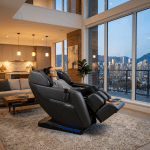
Massage chair manufacturers borrowed that exact positioning. A zero gravity massage chair reclines your body into that same weightless-feeling posture, then layers in mechanical massage — rollers, airbags, heat, and sometimes vibration — to work on your back, legs, and feet while your spine is fully supported and decompressed.
The result is a chair that doesn’t just massage you; it takes the compressive load off your spine first, then massages it. That combination is why people with chronic back pain, herniated discs, or desk-job posture problems tend to notice the biggest difference.
How Zero Gravity Massage Chairs Work
Most models use a few core systems together:
- Reclining mechanism: A motorized track lifts your legs and tilts your torso back until your knees are above your heart, distributing weight evenly across the chair instead of concentrating it on your tailbone and lower back.
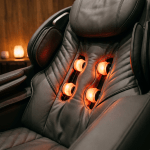
- Roller tracks (2D, 3D, or 4D): Rollers move up and down your spine. 3D and 4D rollers also move in and out, adjusting pressure depth and intensity to mimic a human thumb rather than a flat rolling motion.
- Airbag compression: Inflatable airbags in the arms, calves, shoulders, and hips squeeze and release, improving circulation and targeting muscle groups rollers can’t reach.
- Heat therapy: Built-in heating elements, usually in the lumbar region, loosen tight muscles before the rollers get to work.
- Body scanning: Higher-end chairs scan your height and shoulder position with sensors so the rollers automatically map to your actual spine instead of a generic template.
Who Actually Benefits From One
Zero gravity massage chairs aren’t a universal must-have. The people who see the clearest benefit are:
- People who sit for six-plus hours a day and deal with chronic lower back or neck tension
- Anyone recovering from minor muscle strain who wants at-home relief between physical therapy sessions
- Older adults managing stiffness, poor circulation, or mild arthritis discomfort
- People who currently spend $60–$100 a month on massage therapy appointments
If you’re managing a diagnosed spinal condition, are pregnant, or have a pacemaker or blood clotting disorder, talk to a doctor before buying one of these chairs.
Key Features to Compare Before Buying
1. Roller Technology
2D rollers only move up and down. 3D rollers adjust depth. 4D rollers adjust both depth and speed dynamically, which feels noticeably more human. If a chair is priced above $2,500, 4D rollers should be standard.
2. Track Length (S-Track vs. L-Track vs. SL-Track)
- S-Track follows the natural curve of the spine but stops around the lower back.
- L-Track extends down into the glutes and hamstrings, which matters a lot in the zero gravity position since your hips rotate upward.
- SL-Track combines both, giving the most complete coverage from neck to thigh — the best option if lower back or sciatic pain is your main concern.
3. Recline Angle and Positions
Not all “zero gravity” chairs are equal here. Some only offer one zero gravity position; better models offer multiple recline stages (often labeled Zero Gravity 1, 2, and 3) so you can fine-tune based on comfort and body size.
4. Airbag Count
Entry-level chairs have around 20–30 airbags. Premium chairs push past 50, covering shoulders, arms, hips, calves, and feet independently. More airbags generally means more targeted compression therapy, especially for circulation-related complaints like swollen feet or restless legs.
5. Heat Therapy Zones
Lumbar heat is standard. Higher-end models add heat to the calves and feet, which matters more for people with circulation issues than for general stress relief.
6. Space Requirements
This trips up a lot of first-time buyers. True zero gravity chairs need wall clearance to recline — usually 4–8 inches — unless the model is specifically labeled “space-saving” or “zero wall.” If you live in an apartment or have a small room, this is often the single most important spec, more than any massage feature.
7. Weight Capacity and Chair Size
Weight limits typically range from 260 to 400 lbs. Taller users (6’2″ and up) should also check the manufacturer’s recommended height range, since roller tracks are calibrated to specific body lengths.
Price Ranges and What You Actually Get
| Price Range | What to Expect | Where to Buy |
|---|---|---|
| $500–$1,200 | Basic S-track, 2D rollers, limited airbags, single zero gravity position. Fine for occasional stress relief. | Shop Here |
| $1,200–$2,500 | L-track or SL-track, 3D rollers, heat, 30+ airbags, multiple recline positions. The sweet spot for most buyers. | Shop Here |
| $2,500–$5,000 | 4D rollers, body scanning, 50+ airbags, voice control, Bluetooth speakers, foot rollers. Best for daily users or chronic pain. | Shop Here |
| $5,000+ | Luxury brands, premium upholstery, advanced AI programs, longer warranties. Diminishing returns unless budget isn’t a concern. | Shop Here |
Common Mistakes Buyers Make
- Buying based on massage programs alone. A chair advertising “30 auto programs” often reuses the same few roller patterns with different names. Roller technology and track length matter more than program count.
- Ignoring room dimensions. Returns spike when buyers realize the chair doesn’t recline properly against their wall.
- Assuming more expensive always means more effective. Above the $2,500 mark, added cost often buys convenience features (voice control, app integration) rather than therapeutic improvement.
- Skipping the warranty details. Motors and airbags are the most common failure points. A three-year parts-and-labor warranty is a reasonable minimum for a chair in the $1,500-plus range.
- Is a Zero Gravity Massage Chair Worth It? An Honest Cost-Benefit Breakdown
- 13 Surprising Facts About Zero Gravity Massage Chairs Nobody Tells You Before You Buy One
- Zero Gravity Massage Chairs: The Complete Buyer’s Guide
Frequently Asked Questions
Are zero gravity massage chairs actually good for back pain? For muscle tension and general stiffness, yes — the reclined position decompresses the spine and reduces the load on lower back muscles, and the added massage improves blood flow to the area. For structural issues like herniated discs or sciatica, a chair can help manage symptoms but isn’t a substitute for medical treatment.
How long should you sit in a zero gravity massage chair? Most manufacturers recommend 15–30 minute sessions. Longer sessions don’t necessarily improve results and can occasionally leave muscles feeling overworked, similar to an overly long deep-tissue massage.
Do zero gravity massage chairs need special electrical outlets? No. Nearly all residential models run on a standard 110–120V outlet. No dedicated circuit is required.
What’s the difference between zero gravity and a regular recliner? A regular recliner tilts the back while keeping legs roughly level with the seat. A zero gravity chair elevates the legs above heart level while reclining the torso, which is the specific angle that reduces spinal compression.
Can you sleep in a zero gravity massage chair? Occasionally, yes, and some people with acid reflux or sleep apnea find it more comfortable than lying flat. It’s not recommended as a nightly substitute for a bed for most people.
Final Takeaway
A zero gravity massage chair is one of the few big-ticket wellness purchases where the science behind the core mechanism — spinal decompression through NASA-derived positioning — is genuinely well-established. The real decision points when buying one come down to track length, roller technology, and room clearance, not the number of “auto modes” listed on the box. Get those three things right for your body and your space, and the rest is really just personal preference.
Discover more from Stress Free In Zero Gravity
Subscribe to get the latest posts sent to your email.


One thought on “Zero Gravity Massage Chairs: The Complete Buyer’s Guide”