
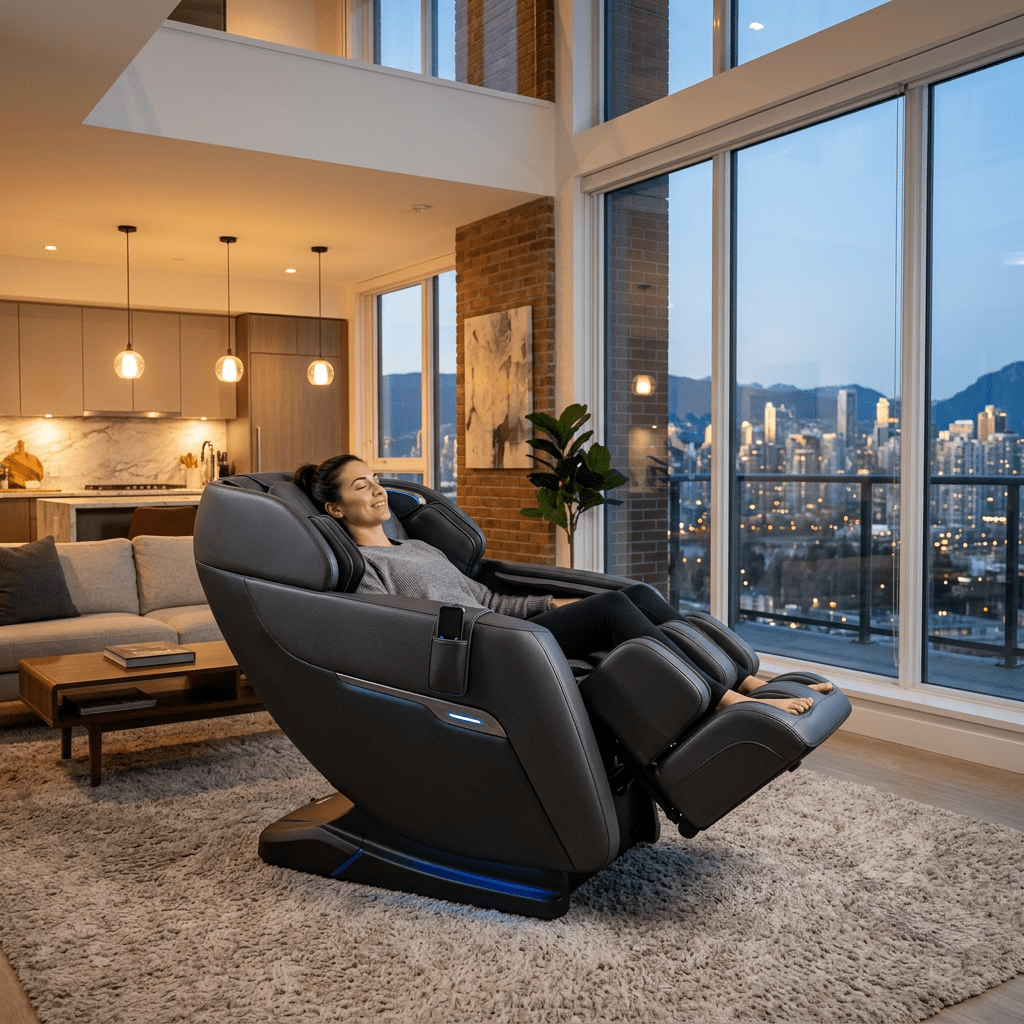
Is a Zero Gravity Massage Chair Worth It? An Honest Cost-Benefit Breakdown
A zero gravity massage chair isn’t an impulse buy. At $1,200 to $5,000, it sits in the same price bracket as a used car down payment or a decent home appliance upgrade, which is exactly why so many people research for weeks before deciding — and why “is it actually worth it” is the question that stalls most buyers right before checkout.
This breaks down the real math, the real trade-offs, and who ends up regretting the purchase versus who uses their chair every single day for years.
Start With What You’re Actually Comparing It To
Most people frame this as “chair versus doing nothing,” but that’s not the real comparison. The honest comparison is against however you currently deal with back pain, stress, or muscle tension — because you’re already paying for that, just less visibly.
That usually means one or more of the following:
- Professional massage sessions ($60–$120 per hour)
- Chiropractic visits ($50–$150 per session, often not fully covered by insurance)
- Over-the-counter pain relief, heating pads, and topical treatments (small but recurring cost)
- Lost productivity or worse sleep from untreated tension
- Simply living with the discomfort and mentally writing it off as normal
Once the comparison is chair-versus-current-coping-method instead of chair-versus-nothing, the math looks very different.
The Break-Even Math
Here’s a simple way to run the numbers for your own situation:
| Current Habit | Monthly Cost | Chair Break-Even Point (on a $1,800 chair) |
|---|---|---|
| One professional massage/month | ~$90 | 20 months |
| Two professional massages/month | ~$180 | 10 months |
| Weekly massage | ~$360 | 5 months |
| Occasional massage (2–3x/year) | ~$25/month averaged | 6+ years |
The pattern is clear: if you’re already paying for regular massage or bodywork, a mid-range chair often pays for itself in under two years and becomes free relief after that. If you only get an occasional massage a few times a year, the math takes much longer to work in the chair’s favor, and other options might make more sense.
What the Price Tag Doesn’t Include
A few costs get left out of the initial “is it worth it” calculation, and they matter:
Electricity. Negligible. A massage chair used for 30 minutes daily costs roughly $1–3 per month in most areas, depending on local electricity rates.
Space. This is the real hidden cost. A true zero-gravity chair needs wall clearance to recline — typically 4 to 8 inches — plus enough overall floor space so it isn’t crammed into a corner. If you have to rearrange a room or give up existing furniture, that’s a cost worth factoring in even though it’s not on the receipt.
Maintenance. Most chairs need little beyond occasional cleaning, but motors and airbags are wear items. A three-year parts-and-labor warranty is common; anything less on a chair over $1,500 is worth negotiating or avoiding.
Depreciation. Massage chairs have a weak resale market. Unlike a treadmill or exercise bike, used massage chair listings tend to sit for a while and sell for a steep discount. Treat this as a purchase you keep, not one you’ll recoup value from later.
Who Gets Real Value From One
Based on the actual use patterns that separate satisfied owners from chairs that end up as expensive coat racks:
- People who sit for work. Desk jobs create the exact lower back and shoulder tension these chairs are built to address, and daily use compounds the benefit in a way occasional use doesn’t.
- People already paying for regular bodywork. If massage or chiropractic visits are already a monthly line item, the chair is close to a direct cost replacement.
- People managing a chronic, non-structural issue. General stiffness, tension headaches from neck strain, and stress-related muscle tightness respond well to consistent at-home use.
- People who will actually use it daily. This sounds obvious, but it’s the single biggest predictor of satisfaction. A chair used for 20 minutes a day is a completely different purchase than one used once a week “when I remember.”
Who Should Think Twice
- People expecting it to fix a structural problem. A herniated disc, spinal stenosis, or diagnosed sciatica needs medical treatment; a chair can help manage symptoms but isn’t a cure, and buying one instead of seeing a doctor is a mistake some people make.
- People without the room for one. If proper recline space means the chair can’t function as a true zero gravity chair, you’re paying full price for a chair that can’t do the one thing it’s named for.
- People who rarely follow through on wellness routines. Be honest about your own patterns here. If gym memberships and home exercise equipment have historically gone unused, a massage chair is at real risk of the same fate.
- People shopping purely on impulse after seeing an ad. The chairs that get returned most often are the ones bought during a sale without the space, budget, or actual use case thought through in advance.
A Quick Gut-Check Before Buying
Ask yourself these four questions honestly:
- Do I currently spend money on massage, chiropractic care, or pain relief regularly?
- Do I have the wall clearance and floor space for a chair to fully recline?
- Will I realistically use this most days, or only when I remember to?
- Am I solving everyday tension and stress, or a diagnosed medical condition that needs a doctor first?
Two or more “yes” answers to the first three questions is a strong signal the purchase will earn its keep. A “no” on the fourth is worth pausing on regardless of the rest.
Frequently Asked Questions
How long do zero gravity massage chairs typically last? With normal use, most quality chairs last 7 to 10 years before major components need repair or replacement, assuming regular cleaning and avoiding exceeding the weight limit.
Is it cheaper to just get regular massages instead of buying a chair? Only if you get massages infrequently. Once you’re paying for more than one professional massage a month, a mid-range chair usually becomes the cheaper option within two years.
Do zero gravity massage chairs actually save money on healthcare costs? Indirectly, for some people. Reduced reliance on chiropractic visits or pain medication is commonly reported, though a chair isn’t a substitute for necessary medical care and shouldn’t be treated as one.
What’s the biggest reason people regret buying one? Not having enough space for it to properly recline, followed by underestimating how much daily use matters for actually feeling the benefit.
Bottom Line
A zero gravity massage chair is worth it for people who already spend money managing everyday tension, have the space for one, and will actually build it into a daily habit. It’s a weaker purchase for anyone hoping it substitutes for medical care, anyone without proper recline space, or anyone buying on impulse rather than routine. Running your own numbers against your current spending — not against doing nothing — is the fastest way to get a real answer before you buy.
Discover more from Stress Free In Zero Gravity
Subscribe to get the latest posts sent to your email.

